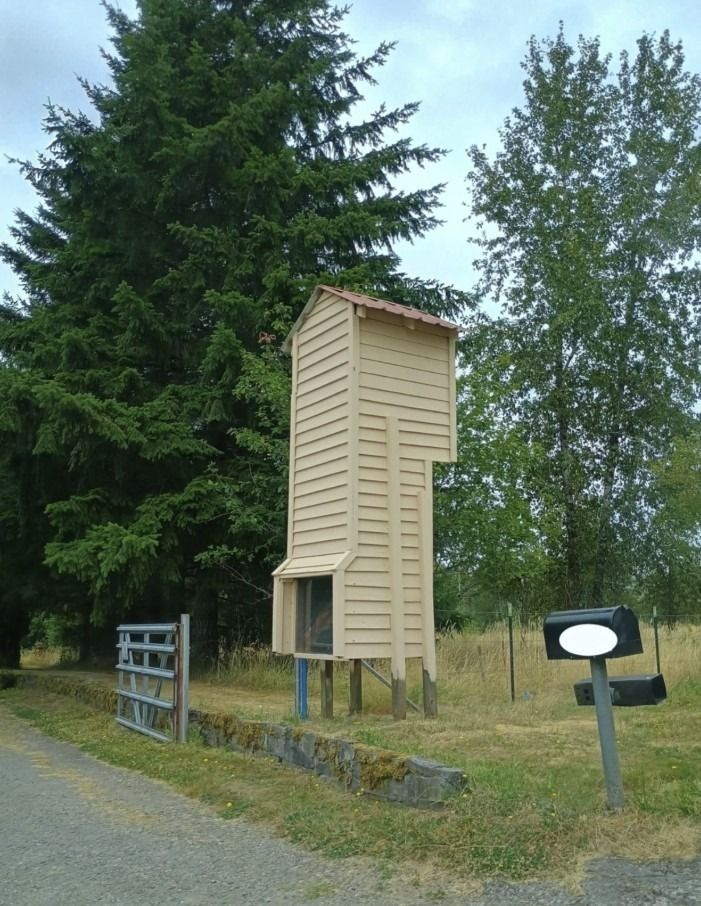
Why Is This Here? The Surprising Stories Behind Everyday Oddities
Why Is This Here? The Surprising Stories Behind Everyday Oddities
At some point, everyone has paused mid-step, mid-drive, or mid-task and thought, Why is this here? Maybe it was a random button on a wall, a strange notch in a sidewalk, an extra pocket in a pair of jeans, or an oddly placed object that seemed to serve no purpose at all. These everyday oddities blend so seamlessly into our surroundings that we rarely question them—until curiosity strikes.
What’s surprising is that most of these strange details exist for a reason. Some are remnants of outdated technology, others are solutions to problems we no longer notice, and a few are clever designs hiding in plain sight. When we take the time to look closer, these oddities reveal fascinating stories about history, human behavior, and the way the world around us has evolved.
The Power of Noticing the Unnoticed
Modern life encourages speed. We move quickly through streets, apps, buildings, and routines. In doing so, we often overlook the small details that quietly shape our daily experiences. Everyday oddities exist at the edges of awareness—visible but unexplained.
Asking “Why is this here?” is a powerful question. It slows us down. It shifts us from passive users of the world to active observers. Once we begin to notice these oddities, we realize they are everywhere, quietly telling stories about the past and present.
Buttons, Levers, and Switches That Seem to Do Nothing
One of the most common everyday mysteries is the presence of buttons or switches with unclear purposes. You might see an unused button in an elevator, a covered switch in a hallway, or a lever that never seems to move.
Often, these features are leftovers from older systems. Buildings change over time, but small elements are expensive or unnecessary to remove. An elevator button may once have been functional before safety regulations or updated technology made it obsolete. Instead of redesigning the entire panel, the button stayed.
In other cases, these “useless” buttons serve psychological purposes. Some pedestrian crossing buttons, for example, don’t always change traffic patterns but give people a sense of control. The design acknowledges human impatience and provides reassurance, even if the outcome doesn’t change.
For Complete Cooking STEPS Please Head On Over To Next Page Or Open button (>) and don’t forget to SHARE with your Facebook friends.