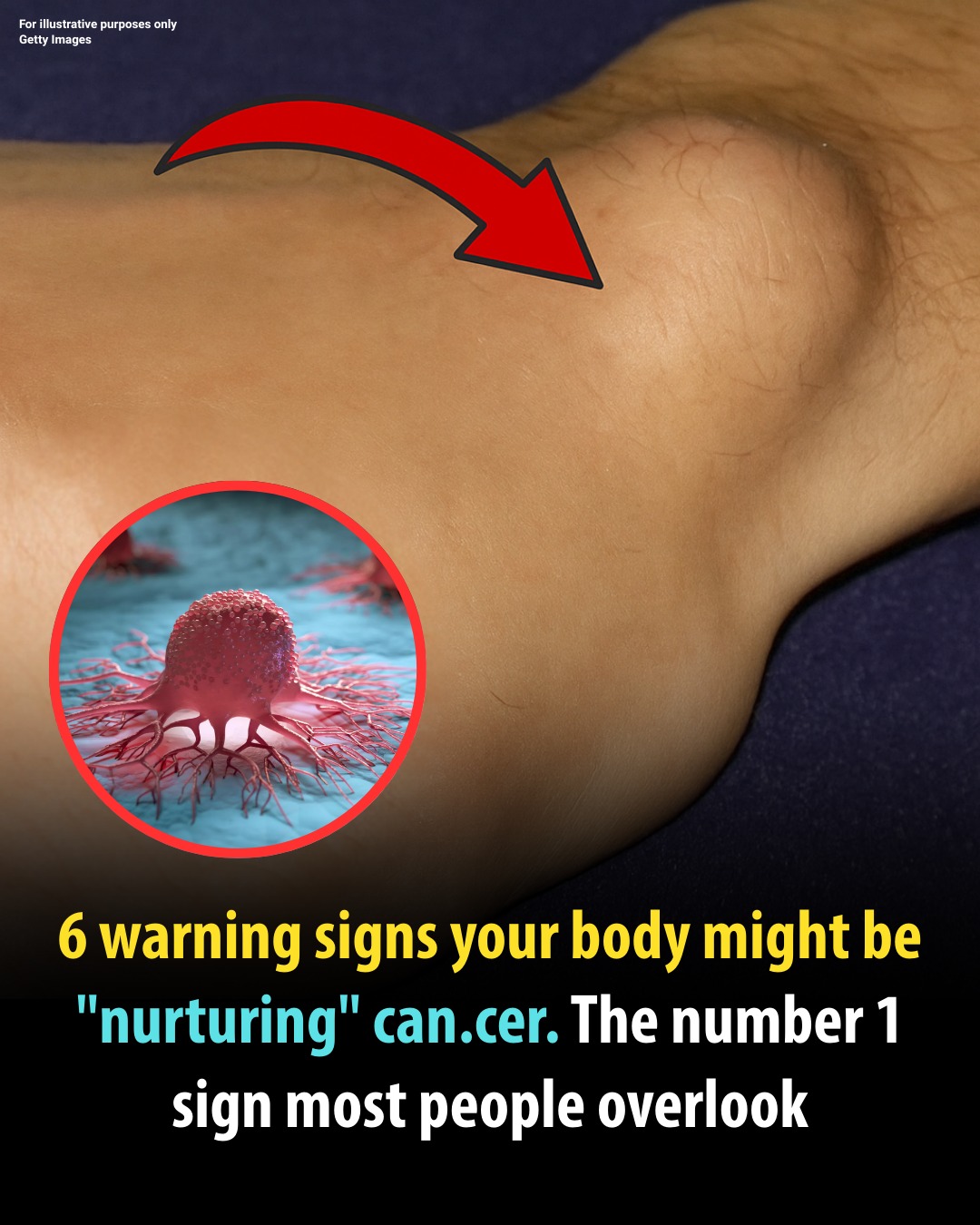
3. Unusual Lumps or Masses Under the Skin
A new lump or growth that enlarges over time should never be ignored. Some tumors are painless at first and may not interfere with daily life, leading to delay in action. However, a firm, immovable lump that grows can signal can.cers such as breast can.cer, thyroid can.cer, or lymphoma. Early detection through exams, imaging, or biopsy greatly improves outcomes. Pay attention to any new growths, especially if they change in size, shape, or texture.

4. Ongoing Digestive Problems and Bowel Changes
Symptoms like bloating, alternating constipation and diarrhea, indigestion, or blood in the stool are often dismissed as minor digestive issues. But if these persist for more than two weeks despite treatment, they could signal colorectal or stomach can.cer. Early gastrointestinal can.cers often mimic common digestive problems, making vigilance essential. Don’t wait—consult a doctor if unusual digestive discomfort continues.
5. Chronic Cough or Persistent Hoarseness
A cough lasting more than three weeks—especially if it produces blood—should never be ignored. Similarly, persistent hoarseness, loss of voice, or difficulty speaking can indicate lung, throat, or laryngeal can.cer. These symptoms often start subtly and are mistaken for infections like bronchitis, delaying diagnosis. If your cough or voice changes don’t improve, schedule a medical evaluation promptly.

6. Sores or Wounds That Do Not Heal
A sore, cut, or ulcer on the skin, mouth, or tongue that heals very slowly, enlarges, or bleeds easily may point to skin, oral, or cervical can.cer. Can.cer cells interfere with normal healing and reduce tissue regeneration. Any sore that does not heal within two to three weeks should be checked by a healthcare provider.
Why Early Detection Matters
The earlier can.cer is detected, the higher the chance of successful treatment and survival. Many can.cers develop silently at first, without obvious symptoms. This makes paying attention to subtle body changes vital. Ignoring warning signs often leads to late-stage diagnosis, when treatment options are fewer.
What You Can Do
-
Listen to Your Body: Track persistent or unusual symptoms lasting more than two weeks.
-
Seek Medical Advice Early: Don’t wait for severe symptoms before seeing a doctor.
-
Adopt Healthy Habits: Eat well, avoid tobacco and excess alcohol, exercise regularly, and manage stress.
-
Stay Informed: Learn about common can.cer symptoms and risks.
Can.cer itself isn’t as frightening as ignoring its early signs. Respecting your body’s signals allows you to protect your health.

For Complete Cooking STEPS Please Head On Over To Next Page Or Open button (>) and don’t forget to SHARE with your Facebook friends.